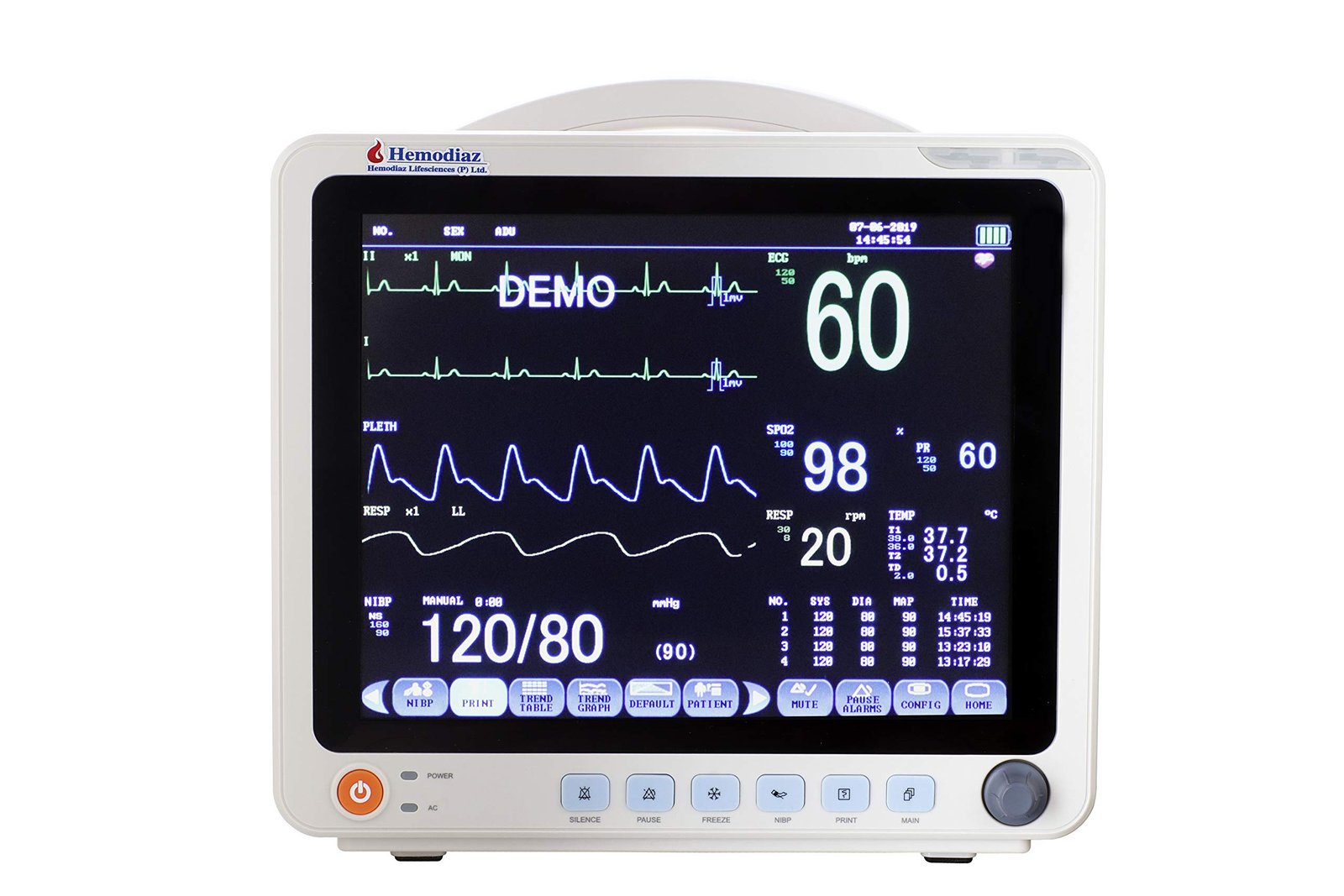
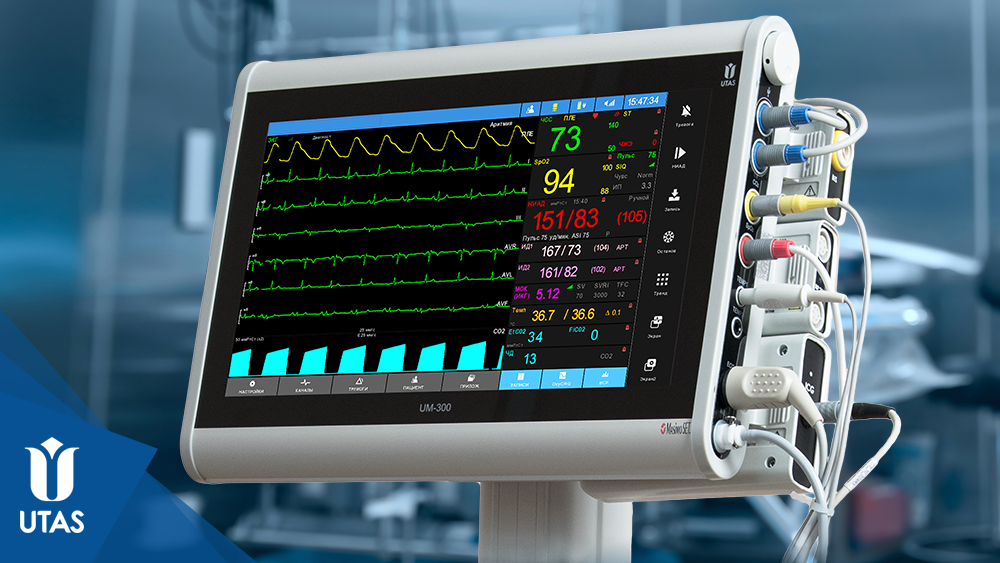
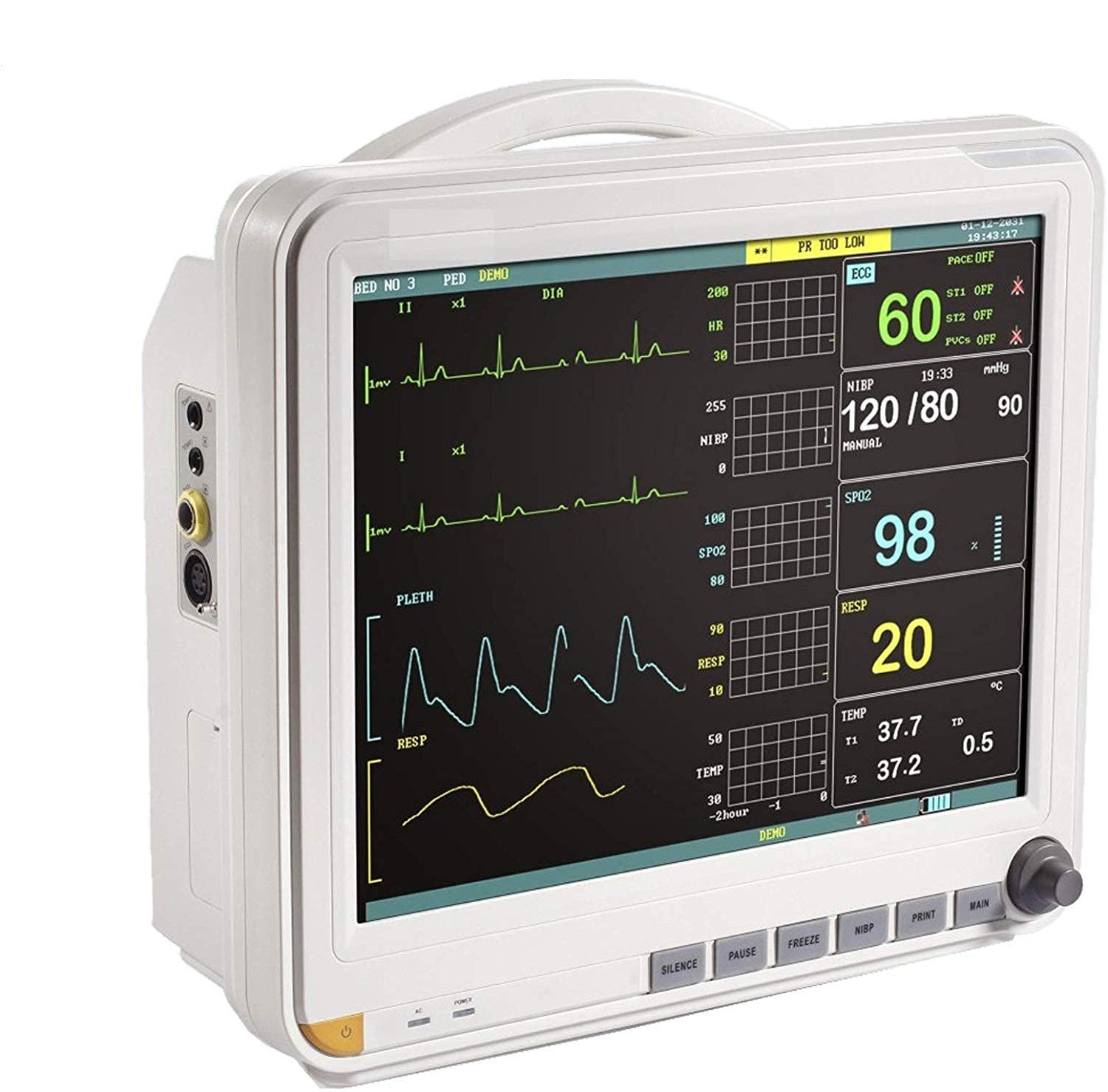
PATIENT MONITOR
• A patient monitor is a device used to continuously measure, record, and display a patient's vital signs and other physiological parameters. These parameters help healthcare professionals assess a patient's condition and make necessary treatment adjustments.
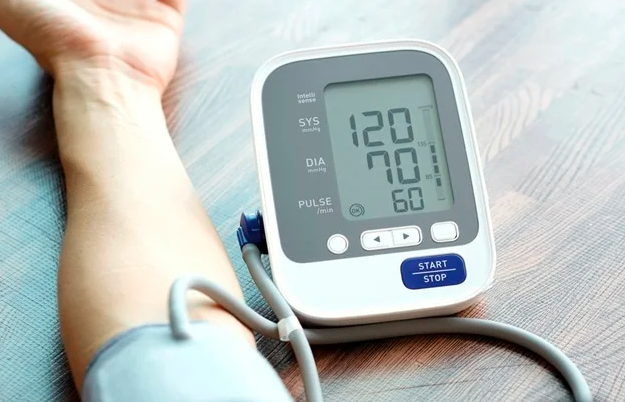
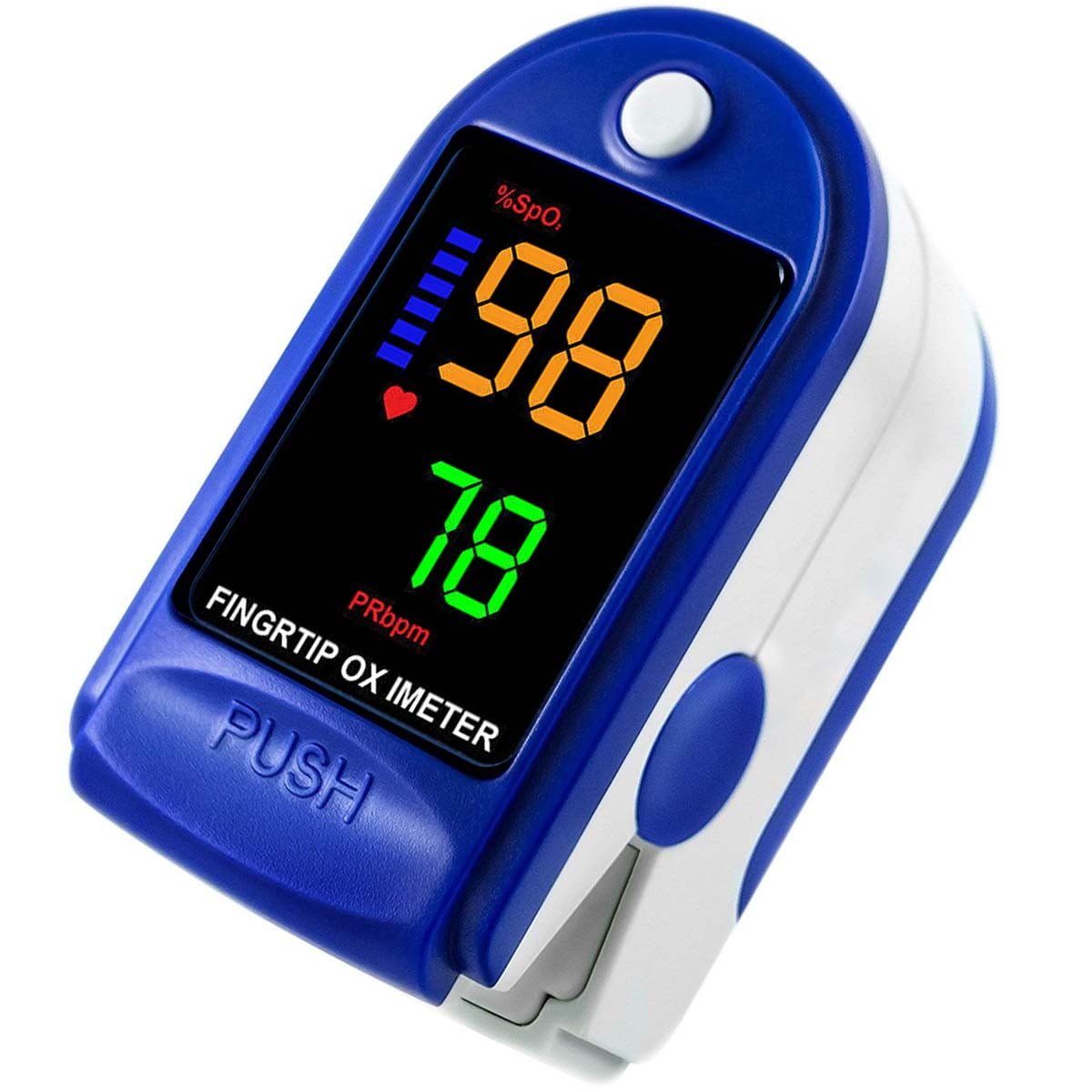
• Heart rate, blood pressure, oxygen saturation (SpO2), respiratory rate, and body temperature are typically monitored.
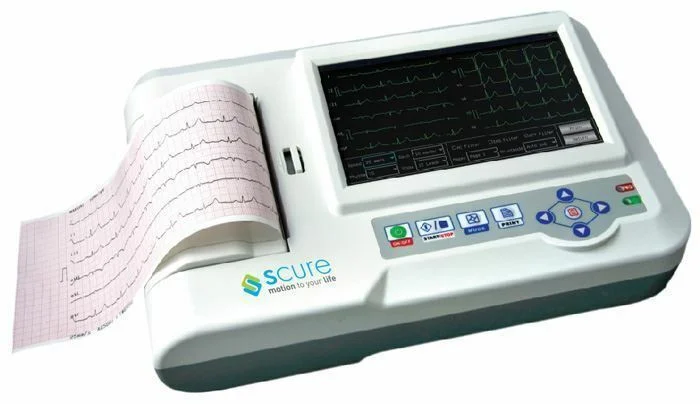
• Electrocardiogram, which provides information about the heart's electrical activity.
• In some cases, monitors may also display end-tidal CO2, invasive blood pressure, or other relevant measurements.
• Patient monitors are crucial in emergency departments, intensive care units, operating rooms, and general wards.
• By providing real-time data, monitors help identify changes in a patient's condition, allowing for timely intervention.
• These are commonly used in hospitals and healthcare facilities to monitor patients in various settings.
• These allow for monitoring of patients outside the hospital, often used in home healthcare or telehealth programs.


.png)